Chasing Soreness
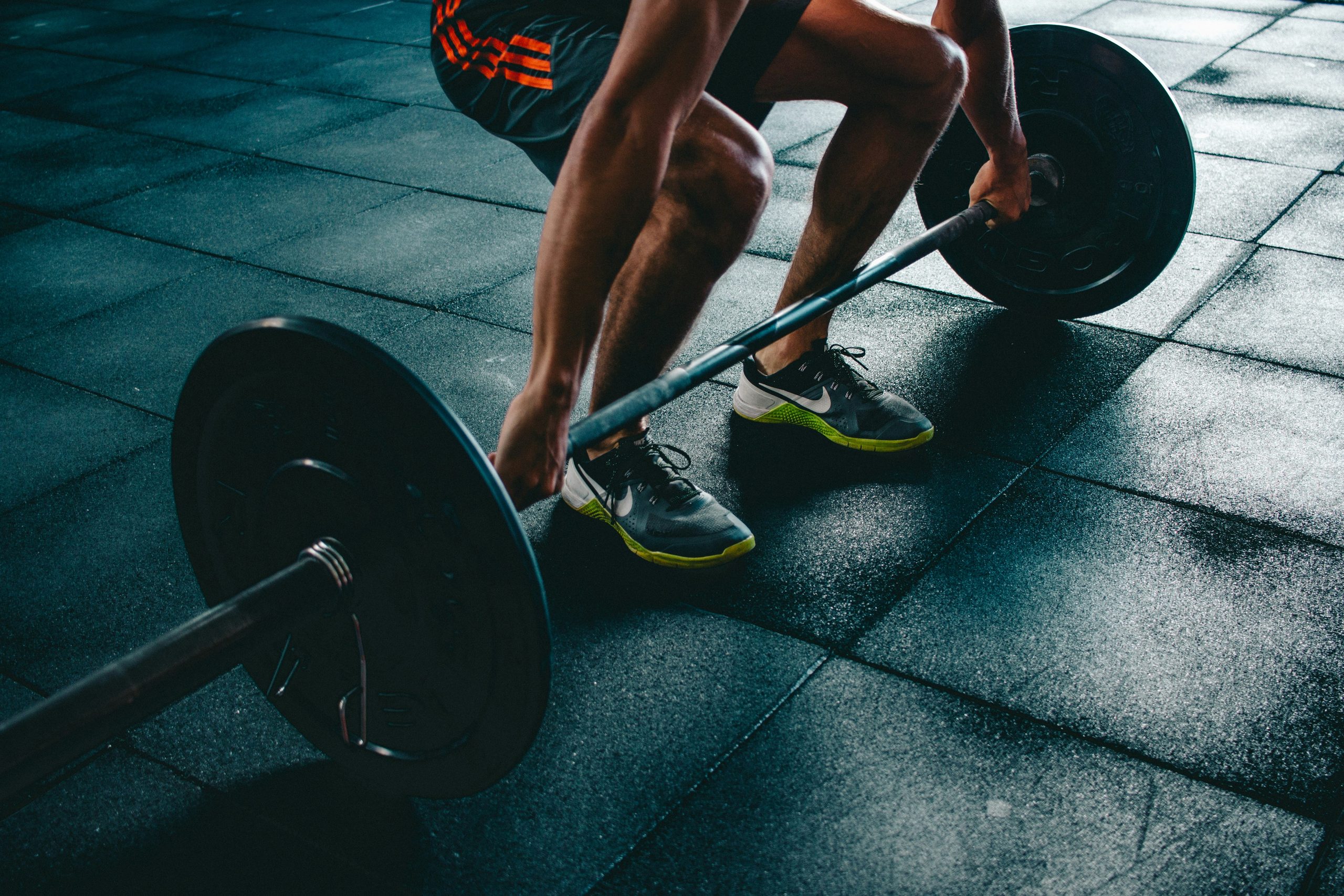
For a long time, I measured a good workout by how wrecked I felt the next day. If my legs weren’t shaking on the stairs or my shoulders weren’t locked up, I figured I hadn’t done enough. I’d add extra sets, skip rest days, and tell myself that discomfort was proof of progress.
It felt productive. It also wasn’t working the way I thought it was.
What Actually Changed My Mind
I started noticing a pattern. The weeks I trained the hardest, with no real days off, were the weeks my lifts stalled or went backward. I was tired in a way that didn’t feel like strength building, just wear. Meanwhile, a friend who trained less often than me, but actually let himself rest, kept adding weight to the bar week after week.
That stuck with me. I started paying closer attention to how I felt on the days I wasn’t sore versus the days I was. The soreness wasn’t telling me I’d had a good session. It was just telling me I’d been inefficient, or careless with form, or hadn’t eaten or slept enough beforehand.
Once I stopped treating soreness as the goal, I had to ask myself what the actual goal was. That seems obvious in hindsight, but I hadn’t really sat with it before. The goal was getting stronger and staying consistent over months and years, not winning some daily contest against myself.
What I Do Now
These days I plan my week around a few hard sessions and real recovery in between, instead of treating every day like it needs to be a grind. I still work out often, because it’s part of how my day is structured, but I’m not trying to flatten myself every time I walk into the gym.
I pay more attention to sleep and food than I used to. Cooking already takes up time in my day, and I’ve started using that time more deliberately, building meals around what I actually trained that day instead of just whatever sounds good. It’s a small shift, but it changes how I recover and how I feel the next morning.
I also stopped seeing rest days as wasted time. A day spent playing basketball with friends or getting in a round of golf does something different for me than lying around, but it’s still not the same as another heavy lifting session. Giving my body that kind of variety instead of constant strain has made a bigger difference than any program change I’ve tried.
Why This Took so Long to Learn
Part of the reason I held onto the old belief for so long is that it’s reinforced everywhere. Harder is better. More is more. Rest is for people who aren’t serious. None of that is really true, but it sounds true, especially when you’re young and your body can absorb a lot of abuse without obvious consequences right away.
It took watching my own results flatten out, and watching someone else’s results improve with a different approach, for the idea to actually land. Reading about it wouldn’t have been enough. I needed to see it play out in my own training log.
The Part I’d Pass Along
If you’re someone who equates a good session with how destroyed you feel afterward, I’d ask you to track your actual numbers for a month instead of your soreness. Write down what you lifted, how you felt going in, and how you felt a few days later. The pattern usually shows up faster than you’d expect.
Rest isn’t the opposite of hard work. It’s the part of hard work that makes the rest of it count. I wish I’d believed that a few years earlier than I did.